







Search Results for: heat adjustment
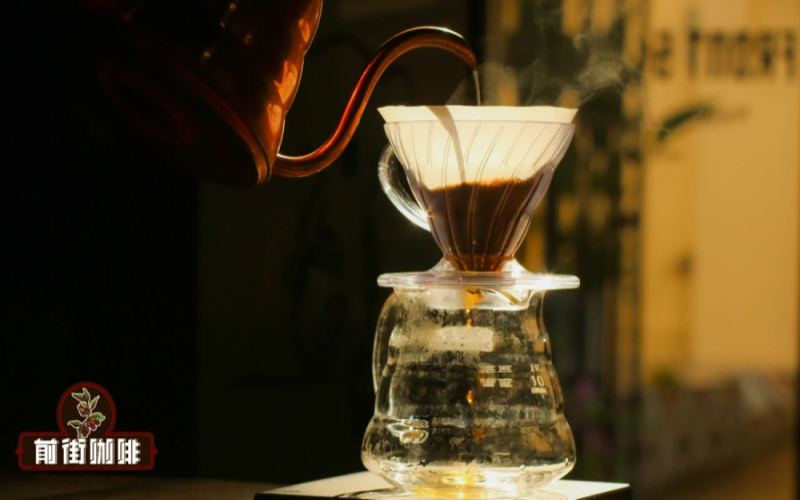
Guide to Buying Single-Origin Coffee Beans for Pour-Over: Seven Flavor Type Recommendations and a Full Analysis of Front Street's Product Line
As the community of pour-over coffee enthusiasts continues to grow, many people are at a loss when faced with the dazzling array of single-origin beans on the market. So-called single-origin beans come from the same producing region—which may be a single estate, a cooperative, or multiple estates or cooperatives within the same origin. Front Street Coffee categorizes currently popular single-origin beans into seven major types by flavor: fruity, floral, prominently fermented, prominently sweet, well-balanced, high-body, and nutty-cocoa. This article introduces representative bean varieties type by type, covering Yirgacheffe, Geisha, Costa Rica honey process, Blue Mountain, Mandheling, Brazil Queen Estate, and more, along with each bean's origin information, cupping flavor notes, and Front Street roasting curve recommendations, so coffee lovers can make precise purchases according to their taste preferences. [more…]
Pour-Over Coffee Bean Selection Guide: A Complete Analysis of the 7 Major Flavor Types of Single-Origin Beans and Brewing Recommendations
For those who are just getting into pour-over coffee, the bewildering array of coffee beans on the market often leaves them unsure where to start. In fact, pour-over usually calls for single-origin beans — that is, beans from a single region, single estate, or cooperative — which offers greater quality assurance. Front Street Coffee groups today's most popular single-origin beans into seven flavor categories: fruity, floral, fermented, sweet, balanced, high-body, and nutty-cocoa. Whether you prefer a bright, acidic, light and fresh profile or favor a rich, heavy mouthfeel, you can find your direction in this classification. Below, we introduce each flavor category one by one, covering representative bean varieties, origin information, cupping notes, and Front Street's roasting recommendations, to help you quickly pinpoint the pour-over bean that suits you. [more…]
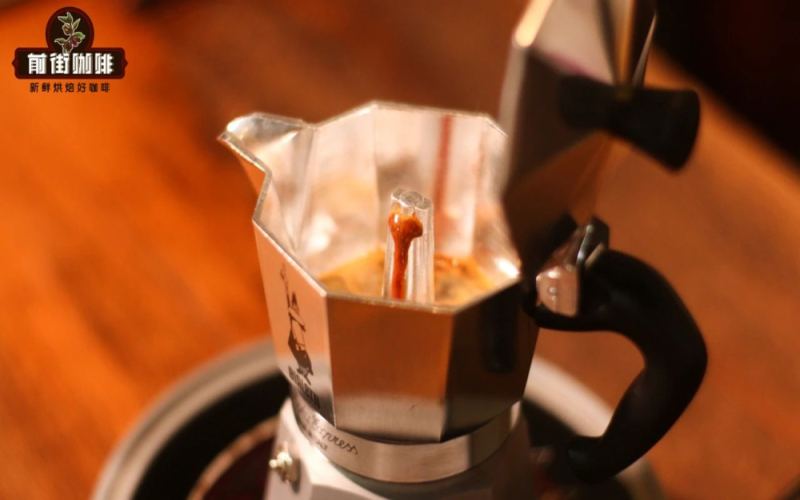
A Complete Guide to Moka Pot Heat Adjustment and Timing: Grind, Water Temperature, Cleaning, and Front Street Coffee Bean Recommendations
The moka pot, a traditional Italian coffee device, seems simple to use, but in reality, the flame intensity and timing of removal from heat greatly affect the flavor. This article provides a detailed breakdown of the moka pot's extraction principles, the differences between single-valve and double-valve models, key points on grind size and tamping, and focuses on answering practical questions such as whether to use high or low heat and when to remove it from the heat. It also offers recommendations for coffee bean selection, suggesting beans suitable for moka pots such as Front Street Black Cocoa Blend, Queen's Farm Brazil, and PWN Golden Mandheling, helping enthusiasts consistently brew rich and full-bodied coffee at home. [more…]
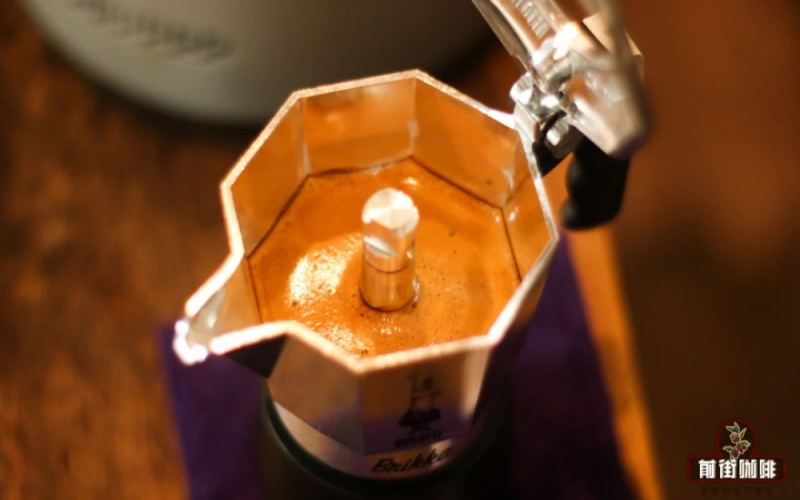
From Bean Selection and Grinding to Brewing: 6 Key Operational Details to Make Moka Pot Coffee Smoother
The Moka pot has a low barrier to entry, but in actual brewing it often produces problems like heavy bitterness, overly high concentration, or thin flavor. This article starts with selecting coffee beans by roast level, then explains in turn the filling method for the coffee dose, the testing logic for grind size, the auxiliary use of filter paper, heat adjustment during the heating process, and finally how to adjust strength by adding water. Each step provides specific operational suggestions and directions for adjustment, and it also recommends medium-dark roasted Front Street Coffee series beans suitable for the Moka pot, helping enthusiasts systematically improve the quality of their Moka pot output. [more…]

A Complete Analysis of Why Moka Pot Coffee Tastes Burnt and Bitter: The Three Key Factors of Channeling, Heat Control, and Grind & Water Amount
As a pressure-based extraction device, the moka pot is highly efficient but also extremely prone to over-extraction, and many coffee enthusiasts have experienced the trouble of burnt, bitter coffee with heavy off-flavors. After sharing moka pot-related content many times, Front Street Coffee found that channeling, excessively long heating time, and too-fine grinding with too much water are the three core causes of over-extracted moka pot coffee. This article will analyze the root causes one by one from the perspectives of even coffee distribution, initial water temperature and heat level, heat adjustment after liquid begins to flow, and the ratio of grind size to water amount, and provide practical improvement solutions to help everyone consistently make rich, delicious moka pot coffee. [more…]
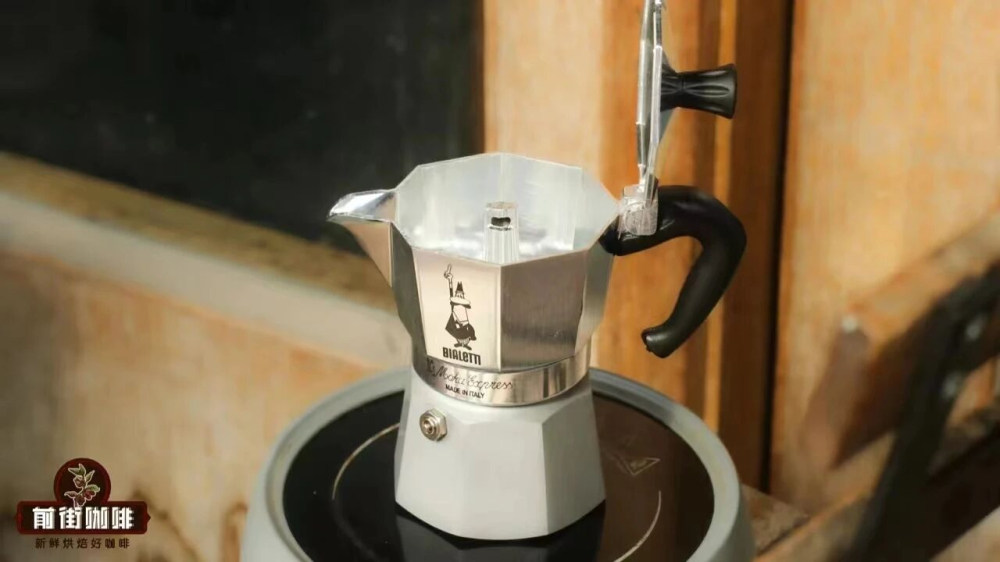
Moka Pot Coffee Bean Recommendations | Which Coffee Beans Are Suitable for Moka Pot Brewing? What Should You Do If Moka Pot Coffee Tastes Too Bitter? How to Adjust Moka Pot Coffee Grounds' Grind Size and Extraction Time?
Front Street Coffee believes the moka pot is one of the most reliable methods for brewing coffee. As long as the following points are met, you can make a decent cup of coffee: 1. The right amount of coffee grounds and water 2. A safe heating method 3. A grind size suited to moka pot extraction 4. Mastering the optimal brewing time 5. Reasonable adjustment [more…]
Costa Rica Finca El Gigante Blueberry Coffee: Bruncas Region Terroir, Anaerobic Heavy Honey Processing, and a Cupping Comparison of Three Roast Profiles
Front Street Coffee recently acquired a batch of blueberry coffee beans from Costa Rica's Las Rocas Estate; the green beans exude an intense sweet blueberry aroma and rose floral notes. To fully reveal the flavor potential of these beans, the roaster team designed three different roasting profiles and cupped them one by one, striving to find the most balanced roasting plan that best expresses the terroir. This article will guide you through the terroir background of the Brunca region, the varietal composition and anaerobic heavy honey processing of Las Rocas Estate, and present in detail the roasting parameters of the three profiles and the differences in cup flavors, helping coffee enthusiasts gain a deeper understanding of the charm of these beans. [more…]
A Beginner's Guide to Coffee Latte Art: A Complete Guide to Choosing Equipment and Tools from Espresso Machines to Latte Art Pitchers
Wanting to learn latte art, passion alone is not enough—choosing the right equipment and tools is the first step. This article is aimed at beginner baristas and systematically sorts out the various basic equipment needed to get started with latte art: from the differences and selection points of the four boiler systems in professional Italian espresso machines (single boiler, heat exchanger, dual boiler, multi-boiler), to the classification of steam wands and steam tip types, then to grinder burr types, tamper shape matching, latte art pitcher spout shapes and groove designs, as well as the logic for choosing materials such as espresso beans and milk. It also analyzes the influence of cup shape on latte art results and gives the key parameters for adjusting machine settings, helping beginners avoid detours and laying a solid hardware foundation for subsequent latte art practice. [more…]
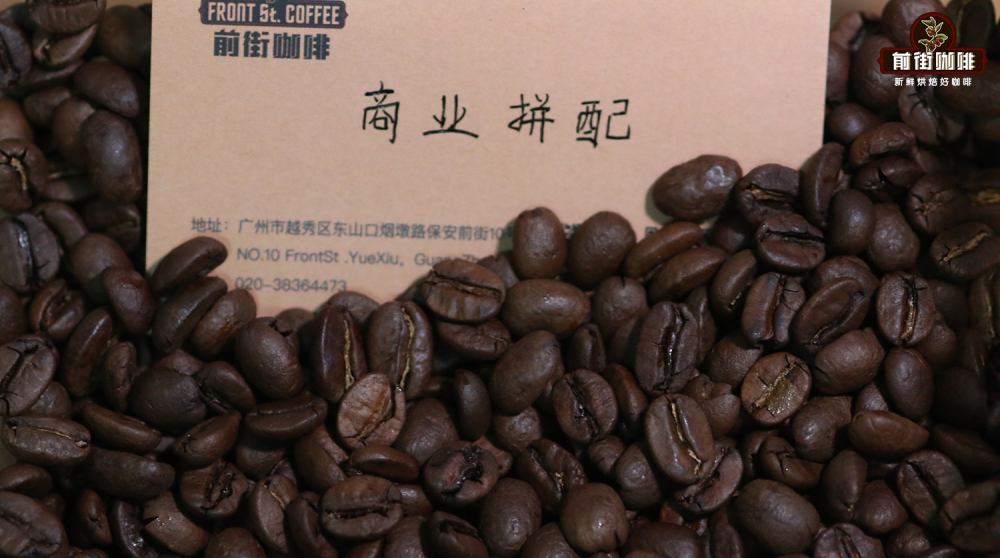
Comparison of Eight Coffee Bean Roast Levels|How do different roast levels affect coffee flavor? What is the specific process for roasting coffee beans?
Anyone who drinks coffee regularly knows that coffee beans come in different roast levels, and the flavor and mouthfeel they present are all different. As a café that roasts its own beans, Front Street has dozens of batches of coffee beans to roast every day. We know the flavors of light-roasted Yirgacheffe, medium-roasted Brazilian coffee, and the like like the back of our hand, and we also need to [more…]
The Truth About Pour-Over Coffee Water Temperature: Why a Setting of 92°C Is Actually Too Low When It Touches the Coffee Grounds? Pouring Techniques and Adjustment Methods
Many coffee enthusiasts set the water temperature at 92°C when brewing, yet often run into under-extraction. The reason is that as hot water is poured from the kettle and travels to the coffee grounds, heat is constantly lost, so the actual temperature is often lower than the set value. This article will break down the major causes of water temperature loss, including the effects of the kettle neck, air, and dripper material, and offer practical countermeasures such as preheating equipment, lowering the pouring height, and adjusting the water temperature to help you brew a good cup consistently in different environments. The article also uses Front Street Granja Geisha as an example to explain how to flexibly adjust parameters according to ambient temperature, making extraction more reliable. [more…]
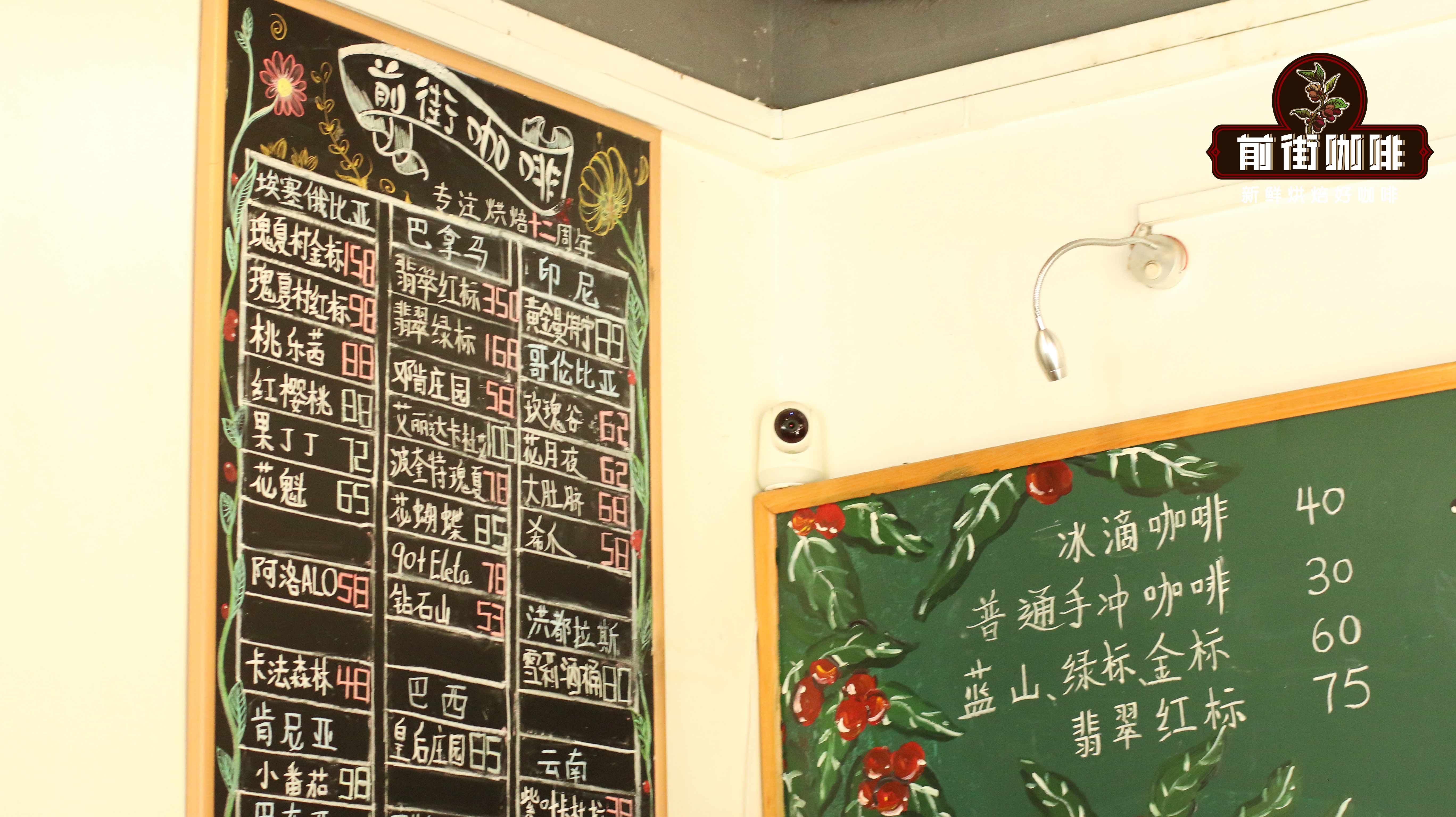
A Detailed Guide to the Flavor Differences of the World's Three Major Coffee Regions: A Comparison of the Characteristics of African, Latin American, and Asian Coffee Beans
The coffee belt encircles the equator, giving rise to the distinctive coffee flavors of three major producing regions: Africa, Latin America, and Asia. Front Street Coffee currently offers about 50 types of beans. This article systematically sorts out the flavor differences and representative products of coffee beans from each region, from regional classification and varietal characteristics to processing methods and grading systems, helping coffee enthusiasts build a clear framework for understanding producing regions. [more…]
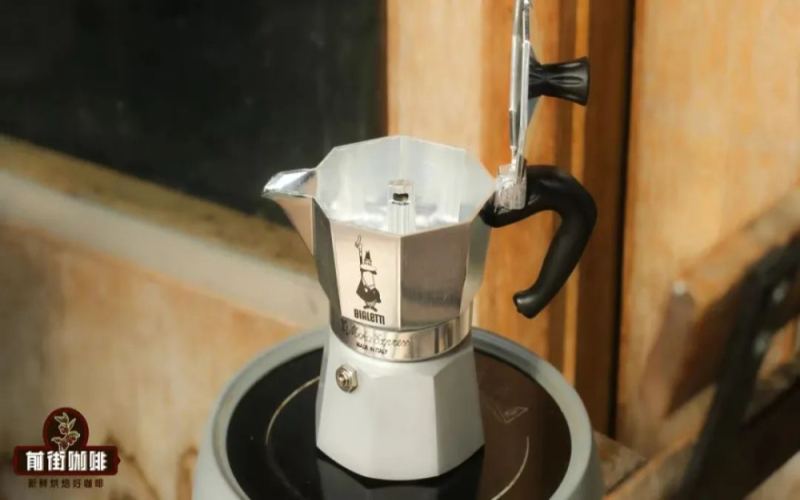
A Complete Guide to Moka Pot Brewing Questions: Cleaning and Maintenance Methods and a Comparison of Aluminum vs. Stainless Steel Materials
As a traditional Italian coffee apparatus, the Moka pot is favored by enthusiasts for its simple operation and rich flavor. This article systematically organizes common questions about the Moka pot's brewing principles, grind size and tamping key points, water temperature control, and heat adjustment, and explains cleaning and maintenance methods in detail. At the same time, it compares the advantages and disadvantages of aluminum and stainless steel materials, and answers various questions that arise during use. The article also combines recommendations from the Front Street Coffee brand to provide coffee bean selection suggestions for readers pursuing a full-bodied or balanced flavor, helping you easily master Moka pot extraction techniques. [more…]
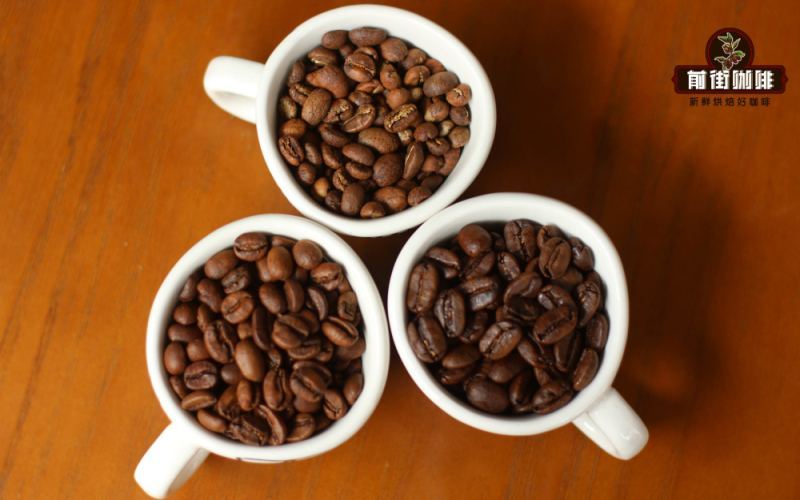
From Light to Dark: A Comprehensive Analysis of Eight Coffee Roast Levels and a Practical Operational Guide
Coffee roasting is the core step that determines the flavor direction of a cup of coffee. From green beans to the drink in your cup, the degree of roast directly governs the balance of acidity, sweetness, and bitterness. This article systematically sorts out eight common roast levels, the working principles of three types of coffee roasters, and the mechanisms by which caramelization and the Maillard reaction shape flavor. It also records in detail Front Street Coffee's operational procedures and curve management experience in actual roasting, helping coffee enthusiasts build a complete cognitive framework from theory to practice. [more…]
A Complete Guide to Moka Pot Brewing: Principles, Single vs. Double Valve Differences, and Practical Tips on Coffee, Water, and Heat
The moka pot is a common simple espresso-style coffee device in Italian households. It is easier to operate than an espresso machine, yet it can deliver a rich and full-bodied taste. From the perspective of Front Street, this article systematically explains the moka pot's invention background, the differences between single-valve and double-valve models, and the principles of heating and extraction, while also detailing key steps such as grind size, tamping, water temperature, heat adjustment, and cleaning. At the same time, it offers recommendations for coffee bean selection, recommending three beans suitable for the moka pot: Front Street Dark Cocoa Blend, Brazil Queen's Estate, and Front Street PWN Golden Mandheling, helping enthusiasts consistently make coffee with rich crema and balanced flavor. [more…]
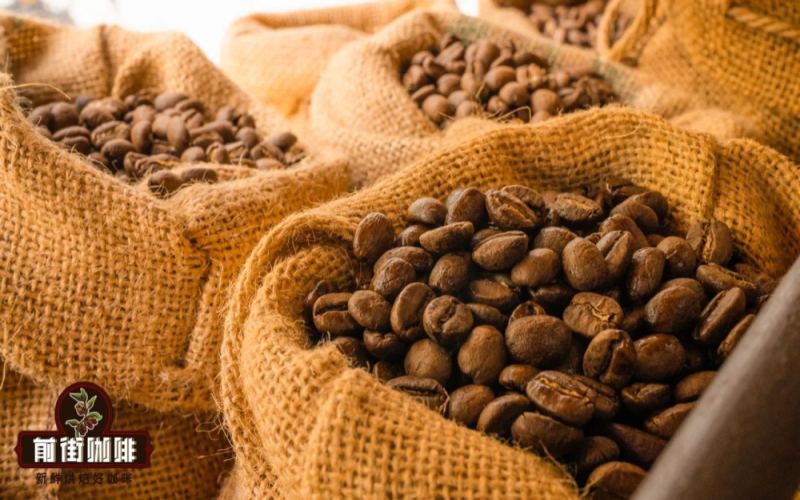
The Complete Guide to Home Coffee Bean Roasting: From Equipment Selection to First and Second Crack Determination and Detailed Flavor Differences
More and more people are no longer satisfied with just brewing and tasting—they want to control the entire process from green beans to roasted beans. But after buying green beans and bringing them home, many people have no idea how to roast them, what tools to use, or how to control the heat. This article, drawing on the practical experience of Front Street Coffee, outlines practical methods for roasting coffee beans at home: how to judge roasting progress by color and cracking sounds, what first crack and second crack each represent, how different roast levels affect flavor and mouthfeel, and the pros, cons, and precautions of three tools—the drum roaster, pan roasting, and the electric oven. After reading, you will at least understand when to adjust the heat, when you can stop the roast, and why roasting too dark is not worth recommending. [more…]

The Complete Moka Pot Guide: From Bean Selection and Grinding to Brewing and Tasting
The Moka pot, with its pressurized extraction, makes it easy to brew rich, full-bodied coffee at home. As long as you choose the right coffee beans, control the grind size, and adjust the heat at the right time, you can consistently produce a satisfying cup of Moka pot coffee. This article starts with the roast level and freshness of coffee beans, explains in detail the criteria for judging grind size, and uses step-by-step illustrated instructions to demonstrate the key operations of adding water, loading coffee grounds, screwing the pot together, heating, controlling the flame, and stopping the extraction. In addition, the article also provides various ways to drink it, such as Americano, latte, and Vietnamese-style, and offers adjustment suggestions for over-extraction and under-extraction, helping coffee lovers quickly master how to use a Moka pot. [more…]

Comparison of Two Geisha Blends: Green Bean, Roasting, and Flavor Differences Between Front Street Coffee's Gesha Village Chaka and Front Street Coffee's Panama Butterfly
Front Street Coffee has recently added several Gesha Village lots, including Gold Label, Red Label, and Chaka. Many coffee enthusiasts are curious: both being Gesha blends, what exactly is the difference between Front Street Coffee Gesha Village · Chaka and Front Street Coffee Panama · Butterfly? This article compares the two across three dimensions: green bean information, roasting curves, and brewing parameters and flavor performance. Both beans are primarily Gesha variety, and both flavor profiles carry citrus fruit notes, but Chaka has higher body with prominent nutty flavors, while Butterfly is cleaner and clearer with obvious floral notes. If you are choosing a Gesha blend, this comparison may help you find the one that suits you better. [more…]
A Comprehensive Analysis of the World's Three Major Coffee Producing Regions: Varietal Flavor and Processing Method Differences Across Africa, Latin America, and Asia
The Coffee Belt spans roughly 25 degrees north and south of the equator, giving rise to three major producing regions: Africa, Latin America, and Asia-Pacific, each with its own distinctive varieties, processing methods, and flavors. Front Street Coffee currently offers nearly 50 beans, and this article will go through them one by one, from regional divisions, representative producing countries, and varietal characteristics to processing methods and grading systems. It will guide you through Ethiopia's floral and fruity notes, Kenya's intense acidity, Brazil's nutty richness, Panama's floral Geisha, as well as Indonesia Mandheling's herbal, agarwood-like depth and Yunnan coffee's melon-and-tea character, giving you a comprehensive grasp of the flavor differences among the three major regions and the key points for choosing beans. [more…]
How to Determine the Roast Level of Blue Mountain Coffee? A Detailed Guide to Front Street Coffee's Jamaican Blue Mountain No. 1 Roast Curve and Key Milestones
Roasting is the core stage that determines the direction of coffee flavor. Green beans must be roasted before they can be consumed, and the degree of roasting often influences eighty percent of the final taste performance. This article takes Front Street Jamaican Blue Mountain coffee as an example, starting from key nodes such as charge temperature, heat adjustment, turning point, yellowing point, first crack, and rate of rise, to analyze in detail the design approach of the roasting curve for Blue Mountain No. 1 coffee beans. The article also combines the specific characteristics of Blue Mountain coffee, such as screen size above 17, defect rate below 3%, and moisture content of about 13%, to explain why it is suitable to adopt a steadily rising roasting method, and provides a complete operation record from charging at 170°C to dropping at 201.3°C, helping coffee enthusiasts understand how to coordinate heat and airflow to make Blue Mountain coffee present a cleaner and more layered flavor. [more…]
A Complete Guide to Roasting Curve Parameters: From Turning Point to First Crack, a Step-by-Step Explanation of the Key Milestones
The roasting process of every coffee bean requires detailed recording of curve data, including the turning point, heat adjustments, temperature changes, and first crack time. These data are not only the basis for reproducing flavor, but also an important reference for roasters to understand the characteristics of the beans. This article will break down the key nodes in the roasting curve one by one—from the preheating drum temperature setting, the coordination of heat and airflow, to the turning point, yellowing point, Maillard reaction, caramelization reaction, and then to the determination of first crack and the calculation of the rate of rise—to help you build a clear logic for reading roasting curves. At the end, using [Front Street Jamaica Blue Mountain] as an example, it shows how to design the roasting rhythm according to the nature of the beans, so that acidity, body, and aroma reach a delicate balance. [more…]